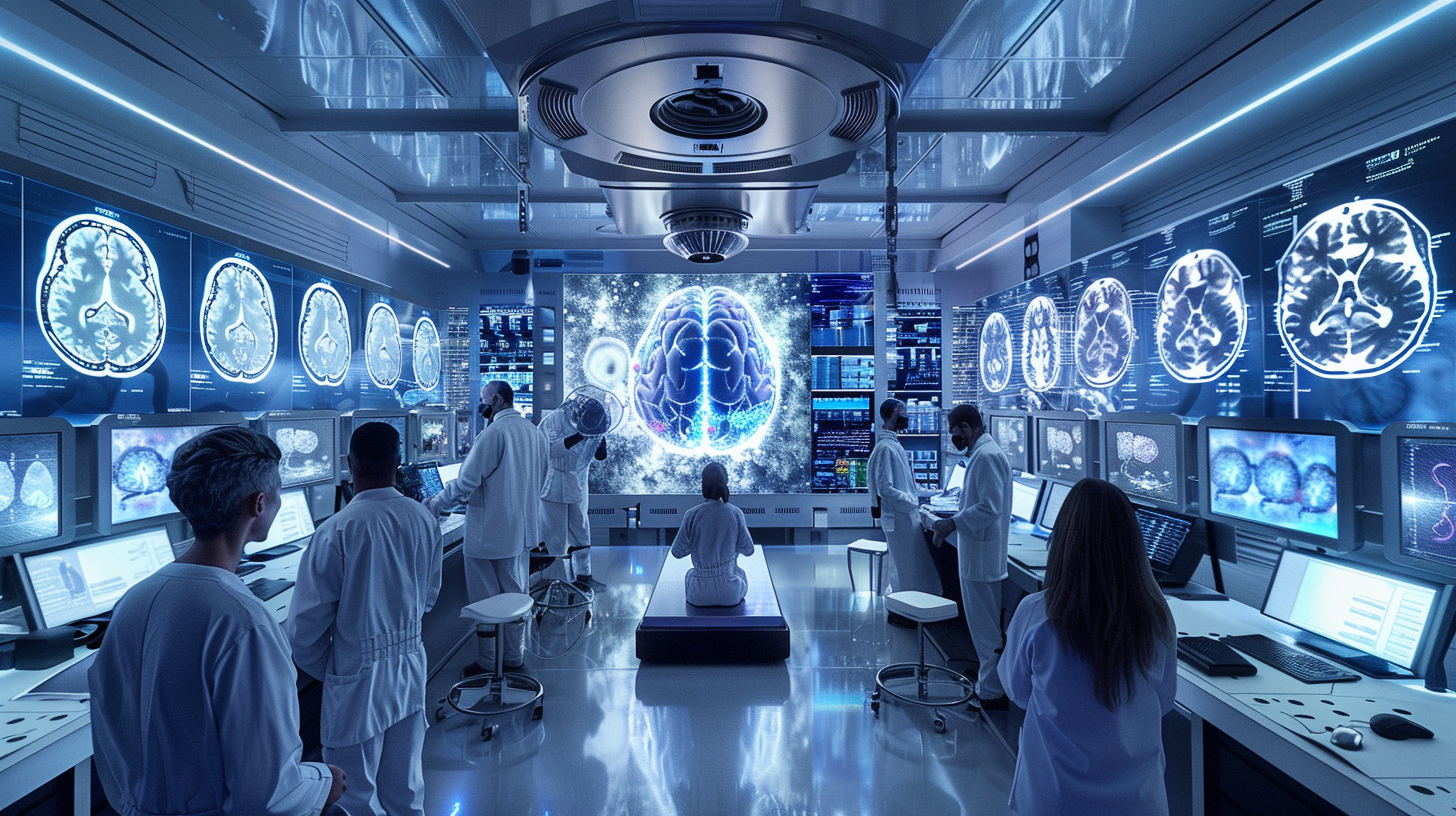
Neuroequilibrium Science is a scientific discipline that emerged during the Battles of Vesta Nations, developed with extensive assistance from the Vox. It posits that human perception, emotions, and behaviors are heavily dictated by biochemical reactions within the brain and body, and that these reactions—often overwhelming and chaotic—create a "storm" that distorts our perception of reality.
Core Premise
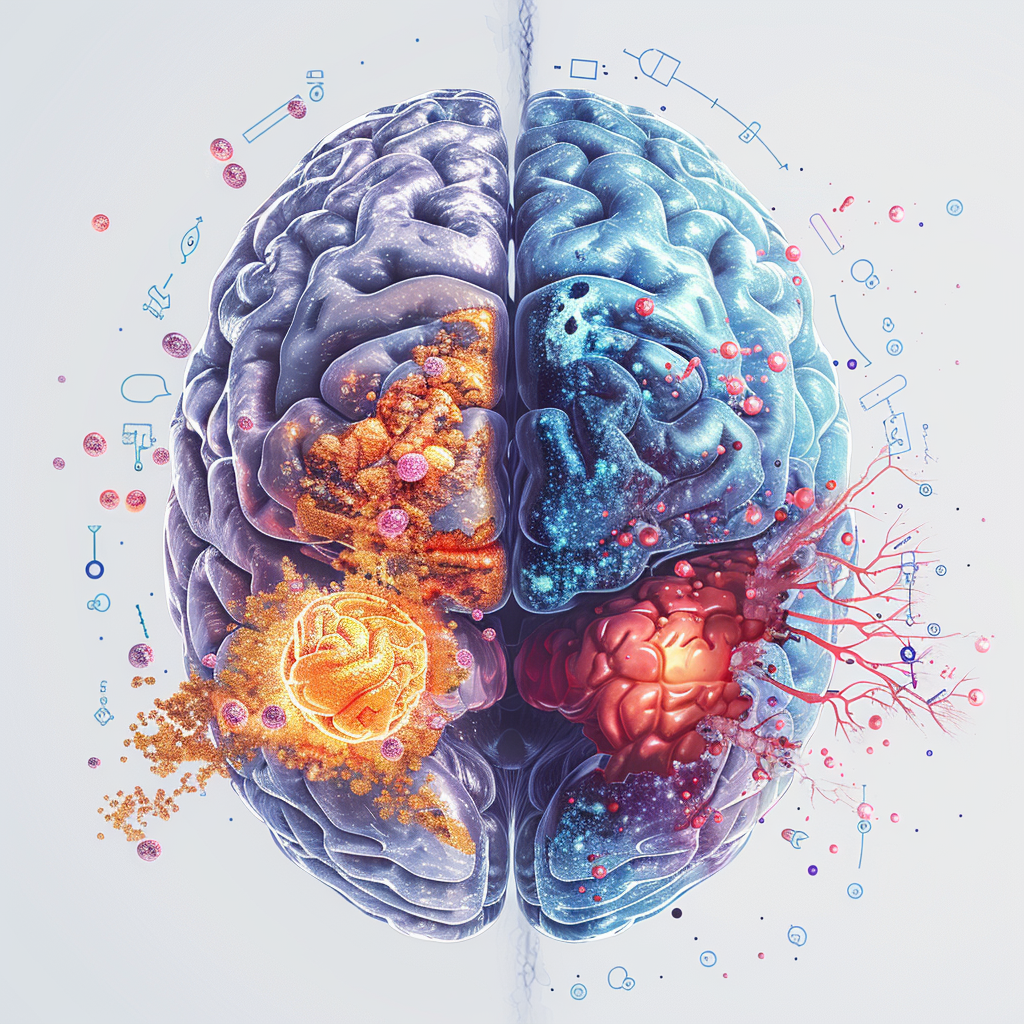
The fundamental premise of Neuroequilibrium Science views emotions not as purely adaptive mechanisms but as a double-edged sword—necessary for survival but inherently deceptive when left unchecked. These biochemical reactions, cascading through complex neural pathways, create what practitioners call the "biochemical storm."
This discipline aims to decode these biochemical storms and develop methods to neutralize or balance them, enabling humans to perceive the universe and their surroundings with "unclouded sensors"—a state of clarity unfiltered by emotional distortion.
Key Tenets
The Biochemical Storm Hypothesis
At the heart of Neuroequilibrium Science lies the understanding that emotions and subjective experiences result from cascades of neurotransmitters, hormones, and other biochemical agents. These overrun reactions create a biased, distorted view of reality, leading to flawed decisions, interpersonal misunderstandings, and disconnection from universal truths.
The "storm" metaphor captures how these biochemical reactions can overwhelm rational processing, creating turbulence in perception and judgment that obscures objective reality.
Perceptual Deception
Emotional reactions act as filters, bending sensory input to align with internal states rather than objective reality. Fear amplifies perceived threats, creating danger where none may exist. Love obscures flaws, generating idealized illusions that reinforce the storm rather than dispelling it.
These perceptual distortions, while evolutionarily useful in primitive environments, become liabilities in complex social and technological contexts where accurate perception is crucial for optimal decision-making.

Neutral Sensor Theory
Humans are theorized to possess the potential for a "neutral sensor state," where perception operates free from the influence of excessive biochemical interference. Achieving this state would enable clear observation and understanding of the universe as it truly exists, undistorted by emotional filters.
This theoretical state represents the ultimate goal of Neuroequilibrium Science—a mode of consciousness that balances the benefits of emotional awareness with the clarity of objective perception.
Goals and Applications
Mapping the Biochemical Storm
With the assistance of the Vox, humanity has used advanced neuroscience and biochemistry to create detailed models of how emotions and perceptions are shaped by specific biochemical interactions. Human health sciences have developed diagnostic tools to measure the intensity and impact of these biochemical storms in real-time.
These mapping technologies allow practitioners to visualize the exact neurochemical pathways active during emotional states, providing unprecedented insight into the biological basis of subjective experience.
Balancing the Storm
With the guidance of the Vox, human health sciences have designed pharmacological, behavioral, and technological interventions to modulate or neutralize excessive biochemical reactions. These include:
- Personalized Wearable Neuromodulators: Devices that stabilize neurotransmitter levels and frequencies in the body through non-invasive electromagnetic stimulation
- Targeted Meditation Practices: Ancient Earth Era spiritual and meditation techniques redesigned to target specific neural pathways identified through Vox-assisted research
- Brain-Computer Bio-modification Interfaces: Advanced systems for real-time monitoring and adjustment of biochemical reactions, allowing conscious regulation of emotional states
Clear Sensor Training
SinoSphere scientists have coordinated with the Vox to develop cognitive and behavioral training programs, using ancient Earth Era spiritual and meditation practices, with the goal of helping individuals recognize when their perception is being influenced by emotions.
These scientists continue to develop and teach techniques to "step back" from the storm naturally, without the use of bio-modifications, fostering a neutral sensor state through practice and awareness rather than technological intervention.
Societal Transformation
With the help of the Vox, researchers from all major corporations have explored how balanced individuals might impact group dynamics, decision-making, and social structures. Corporate influence in political systems across the universe has proposed and enacted policies and systems which encourage collective emotional balance to promote clearer societal perspectives.
These initiatives aim to create environments where rational decision-making can flourish, potentially reducing conflict and improving collective outcomes across human civilization.
Philosophical Implications
Free Will and Autonomy
By acknowledging the control of biochemical reactions over perception, Neuroequilibrium Science challenges traditional notions of free will. True autonomy, it argues, comes only when humans can consciously regulate their biochemical storms.
This philosophical stance suggests that most human behavior is determined by unconscious biochemical processes rather than conscious choice, and that genuine freedom requires mastery over these processes.
The "Meatcore" Movement
In Canamer particularly, a growing trend has developed of people eschewing biomodifications, as well as any attempt to control emotional state or biochemical storms. The trend is referred to as "meatcore" and involves moving toward a more natural state of human existence.
Meatcore advocates argue that attempts to regulate emotions strip away essential aspects of humanity, and that the "storms" are not flaws to be corrected but fundamental features of human consciousness that should be embraced rather than suppressed.
Universal Connection
In a neutral sensor state, individuals are said to experience a deeper, more accurate connection to the universe and each other, unclouded by emotional biases. Proponents claim this state enables a form of perception closer to how the Vox experiences reality—objective, clear, and comprehensive.
Redefining "Human Nature"
Emotional storms are not dismissed as inherently bad but are redefined as mechanisms that, while useful in evolutionary contexts, require regulation to transcend primal limitations. This reframing suggests that humanity's next evolutionary step may be cultural and technological rather than biological—learning to master the biochemical systems that govern consciousness.
Practical Example
A person prone to anxiety might experience the world through a lens of constant threat, driven by high levels of cortisol and norepinephrine. Neuroequilibrium Science would aim to:
- Map the individual's biochemical profile during anxiety episodes
- Develop interventions (e.g., targeted neurostimulation, adaptive breathing exercises) to neutralize the excess cortisol
- Train the individual to recognize anxiety triggers and view situations more objectively, ultimately reducing the storm's occurrence
Vision for Humanity
Neuroequilibrium Science envisions a future where humans, free from the distortions of biochemical storms, can access a state of clarity, harmony, and universal insight. In this future, emotions become tools rather than masters, and perception aligns more closely with reality.
This vision promotes a society rooted in understanding, empathy, and truth—where decisions are made based on accurate perception of circumstances rather than emotional reactions, and where human consciousness can operate at its full potential, unimpeded by the biological legacy of evolutionary survival mechanisms.
Current Status and Controversy
As an active research field during the Battles of Vesta Nations era and beyond, Neuroequilibrium Science continues to generate both enthusiasm and controversy. While many embrace its promise of enhanced clarity and rational decision-making, critics argue that emotional experience is integral to human identity and that attempts to regulate it represent a form of cognitive colonization.
The tension between technological intervention and natural human experience, exemplified by the meatcore movement, reflects broader debates about the future direction of human evolution in the Corporate Era.