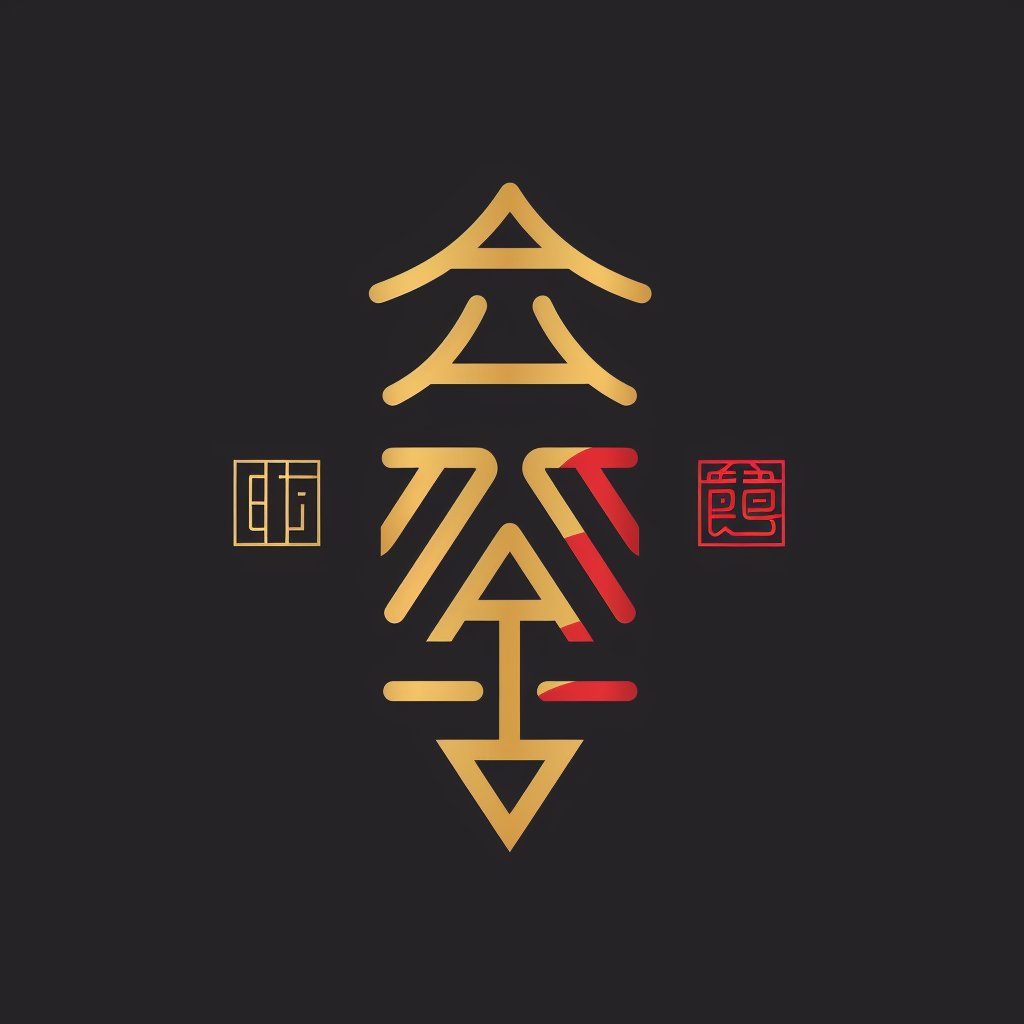
Corporate Alphabet (also known as Corp Glyphs or Echo Speak) is the standardized alphanumeric system used by humans throughout the Corporate Era (2500 CE and beyond). This unified writing system represents a linguistic fusion of Latin, Cyrillic, and Chinese characters, serving as the primary means of alphanumeric identification across human-inhabited regions of the universe.
Origins and Development
The Corporate Alphabet emerged as a response to the need for standardized communication during humanity's expansion beyond Earth. As corporate entities established colonies across the solar system and beyond, the necessity for a universal identification system became apparent. The alphabet's hybrid nature reflects the dominant cultural influences of the pre-expansion era, incorporating elements from Western and Eastern writing systems.
Structure and Composition
The Corporate Alphabet consists of 27 characters—26 standard letters plus the additional character "Æ." Each letter incorporates three distinct elements:
- A Latin base character (used in all written applications)
- A corresponding Cyrillic or modified Cyrillic character
- A semantically related Chinese character
This tripartite structure allows the alphabet to function across various cultural contexts while maintaining a standardized written form. In speech, however, most letters have pronunciation variants derived from their Chinese components.
Pronunciation Guide
While the Latin forms are used exclusively in writing, the spoken pronunciation often incorporates Chinese phonetics. For example:
- A (written as "A") is pronounced as "An" (from 安, ān)
- B (written as "B") is pronounced as "Bei" (from 北, běi)
- C (written as "C") is pronounced as "Chuan" (from 川, chuān)
This dual system allows for written standardization while accommodating phonetic diversity in spoken communication.
Applications and Usage
The Corporate Alphabet serves numerous practical functions throughout human-inhabited space:
Identification Systems
- Employee identification codes
- Equipment and tool model numbers
- Cargo container tracking
- Spacecraft registration and callsigns
Spatial Organization
- Grid-based district naming
- Zone designations
- Building classifications
- Street naming conventions
Administrative Documentation
- Legal documents
- Corporate communications
- Scientific notation
- Interstellar trade manifests
Cultural Significance
The Corporate Alphabet represents one of the most successful linguistic standardization efforts in human history. Its widespread adoption has facilitated communication across vast distances and diverse populations, effectively serving as a unifying element in an increasingly fragmented human society. The alphabet's hybrid nature symbolizes humanity's capacity to synthesize disparate cultural elements into functional systems.
Registration System
All spacecraft callsigns are assigned by the Vox upon registration and utilize the Corporate Alphabet, creating a standardized identification system across human space. This ensures that vessels can be properly identified regardless of their system of origin or corporate affiliation.
Historical Context
The Corporate Alphabet emerged during a period of significant corporate consolidation following the Settlement Wars (2438-2550). As trade alliances formed and interstellar commerce expanded, the need for standardized communication and identification systems became paramount. The alphabet represents one of the most enduring legacies of this corporate unification period.
Full Corporate Alphabet
Each character consists of Latin (written), Cyrillic, and Chinese (spoken) components:
Combines "A" with Russian "А" and 安 (ān, peace), symbolizing unity and peace. Written: A. Spoken: An.
Merges "B" with Russian "Б" and 北 (běi, north), representing exploration and discovery. Written: B. Spoken: Bei.
Integrates "C" with Russian "Ц" and 川 (chuān, river), symbolizing adaptability and life. Written: C. Spoken: Chuan.
Fuses "D" with Russian "Д" and 大 (dà, big), denoting strength and greatness. Written: D. Spoken: Da.
Combines "E" with Russian "Е" and 鹅 (é, goose), suggesting grace and journey. Written: E. Spoken: E.
Merges "F" with Russian "Ф" and 风 (fēng, wind), symbolizing change and freedom. Written: F. Spoken: Feng.
Integrates "G" with Russian "Г" and 国 (guó, country), representing homeland and community. Written: G. Spoken: Guo.
Fuses "H" with Russian "Х" and 河 (hé, river), denoting flow and continuity. Written: H. Spoken: He.
Combines "I" with Russian "И" and 意 (yì, idea), suggesting innovation and thought. Written: I. Spoken: Yi.
Merges "J" with Russian "Й" and 剑 (jiàn, sword), symbolizing protection and valor. Written: J. Spoken: Jian.
Integrates "K" with Russian "К" and 空 (kōng, sky), representing aspiration and exploration. Written: K. Spoken: Kong.
Fuses "L" with Russian "Л" and 龙 (lóng, dragon), denoting power and mystery. Written: L. Spoken: Long.
Combines "M" with Russian "М" and 门 (mén, door), suggesting new beginnings and opportunities. Written: M. Spoken: Men.
Merges "N" with Russian "Н" and 年 (nián, year), representing time and progress. Written: N. Spoken: Nian.
Integrates "O" with Russian "О" and 鸥 (ōu, seagull), symbolizing exploration and freedom. Written: O. Spoken: Ou.
Fuses "P" with Russian "П" and 苹 (píng, apple), denoting knowledge and discovery. Written: P. Spoken: Ping.
Combines "Q" with modified Russian "Кю" and 骑 (qí, ride), suggesting adventure and journey. Written: Q. Spoken: Qi.
Merges "R" with Russian "Р" and 日 (rì, sun), symbolizing energy and life. Written: R. Spoken: Ri.
Integrates "S" with Russian "С" and 蛇 (shé, snake), denoting flexibility and wisdom. Written: S. Spoken: She.
Fuses "T" with Russian "Т" and 天 (tiān, heaven), representing aspiration and spirituality. Written: T. Spoken: Tian.
Combines "U" with Russian "У" and 雨 (yǔ, rain), symbolizing nourishment and growth. Written: U. Spoken: Yu.
Merges "V" with Russian "В" and 维 (wéi, maintain), denoting stability and support. Written: V. Spoken: Wei.
Integrates "W" with Russian "Ш" and 武 (wǔ, martial), representing defense and strength. Written: W. Spoken: Wu.
Fuses "X" with created "Хс" blend and 笑 (xiào, laugh), symbolizing joy and humanity. Written: X. Spoken: Xiao.
Combines "Y" with Russian "Ы" and 羊 (yáng, sheep), denoting community and harmony. Written: Y. Spoken: Yang.
Merges "Z" with Russian "З" and 宙 (zhòu, universe), representing the vastness of space. Written: Z. Spoken: Zhou.
Integrates unique character "Æ" with Russian "Э" and 爱 (ài, love), symbolizing the universal bond. Written: AE. Spoken: Ai.