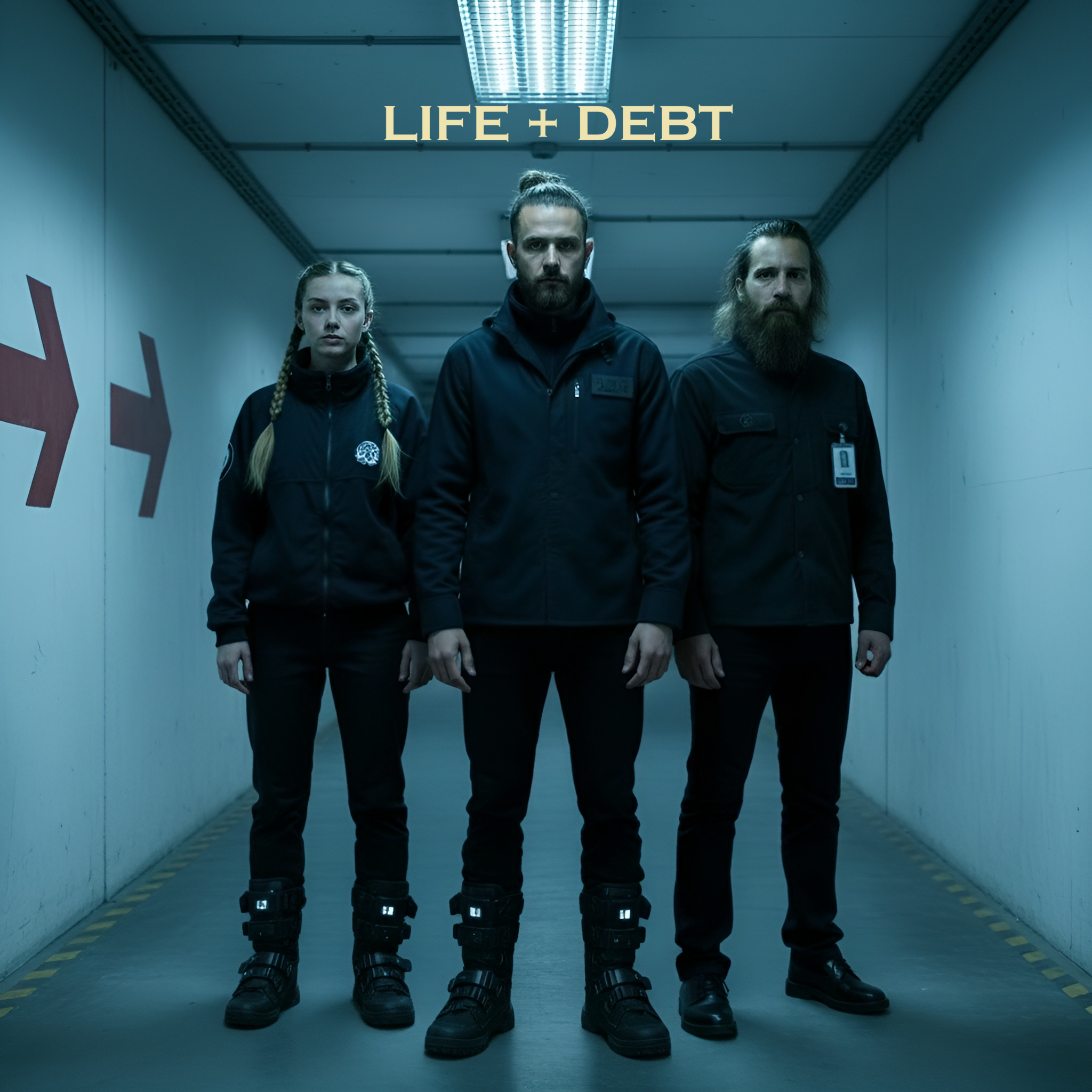
Life+Debt is an up-and-coming band from the Vesta Nations, comprised of three young veterans who have experienced life in the interstellar mining and cargo transport industries. Their music captures the gritty realities of life on the fringes of human space, resonating particularly with those who have lived through the struggles and triumphs of working in the rugged environments of asteroids and the bustling spaceports like Port Odessa.
The name "Life+Debt" is a direct reference to the life debts placed on many Vesta Nations freeminers during the Battles of Vesta Nations—a practice that trapped workers in perpetual servitude to corporations through inflated costs and fraudulent contracts. By claiming this name, the band transforms a symbol of oppression into a badge of defiant solidarity.
Band Members
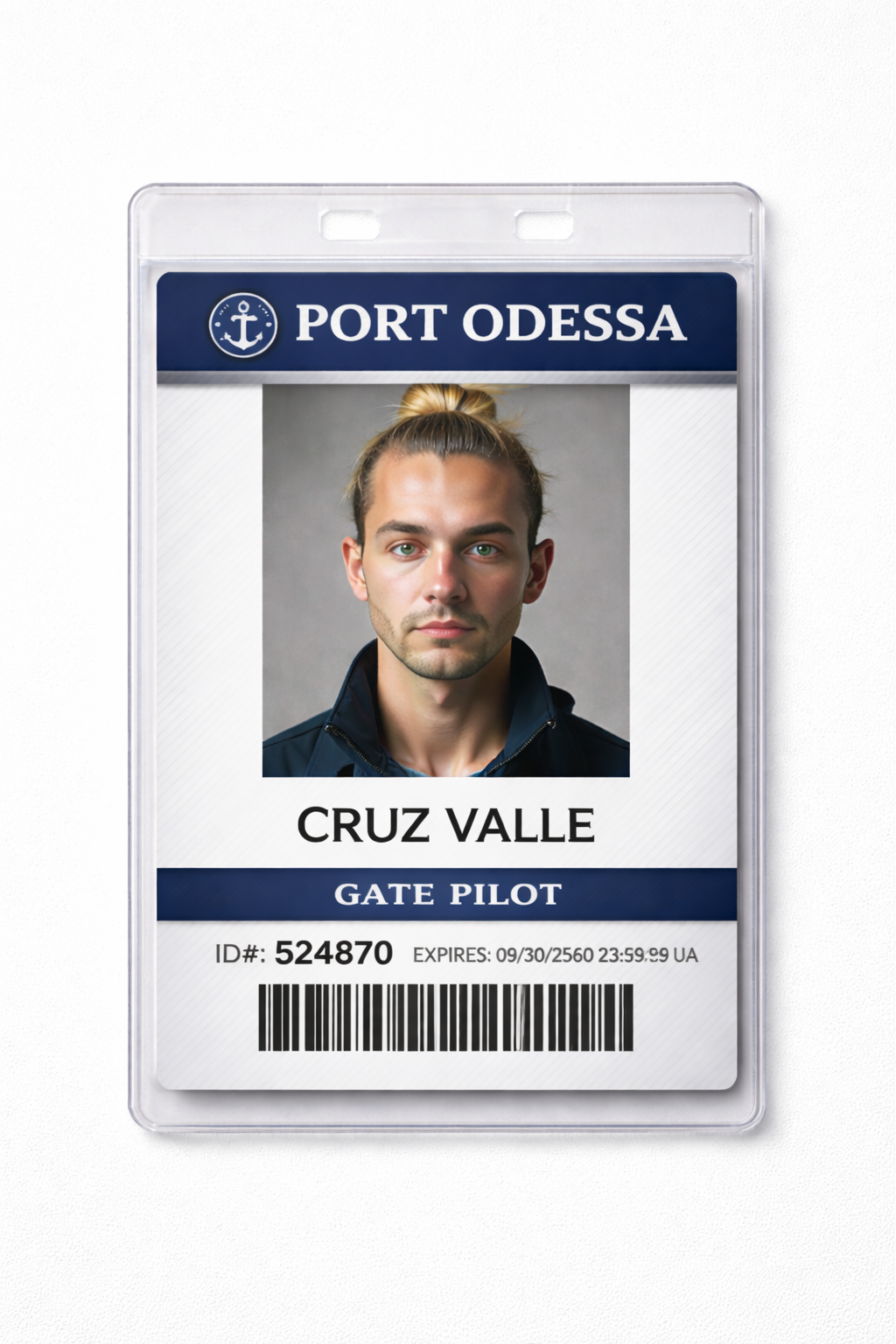
Cruz Valle
Lead Vocals, Guitar
Age: 27
Born and raised in Port Odessa, Cruz cut his teeth in the mining fields of the asteroid belt before forming the band. His passionate and gritty vocal style conveys the raw energy and emotion behind their music. Valle's voice carries the weight of experience—every lyric sounds lived rather than written, a quality that makes "Belt Kids" resonate so powerfully with working-class audiences throughout the Vesta Nations.
Cruz's guitar work combines driving rhythms with industrial textures, often incorporating the mechanical sounds of mining equipment he grew up around. His performances are marked by intense physicality, treating his instrument like a tool rather than an artifact—an extension of the labor that defined his youth.
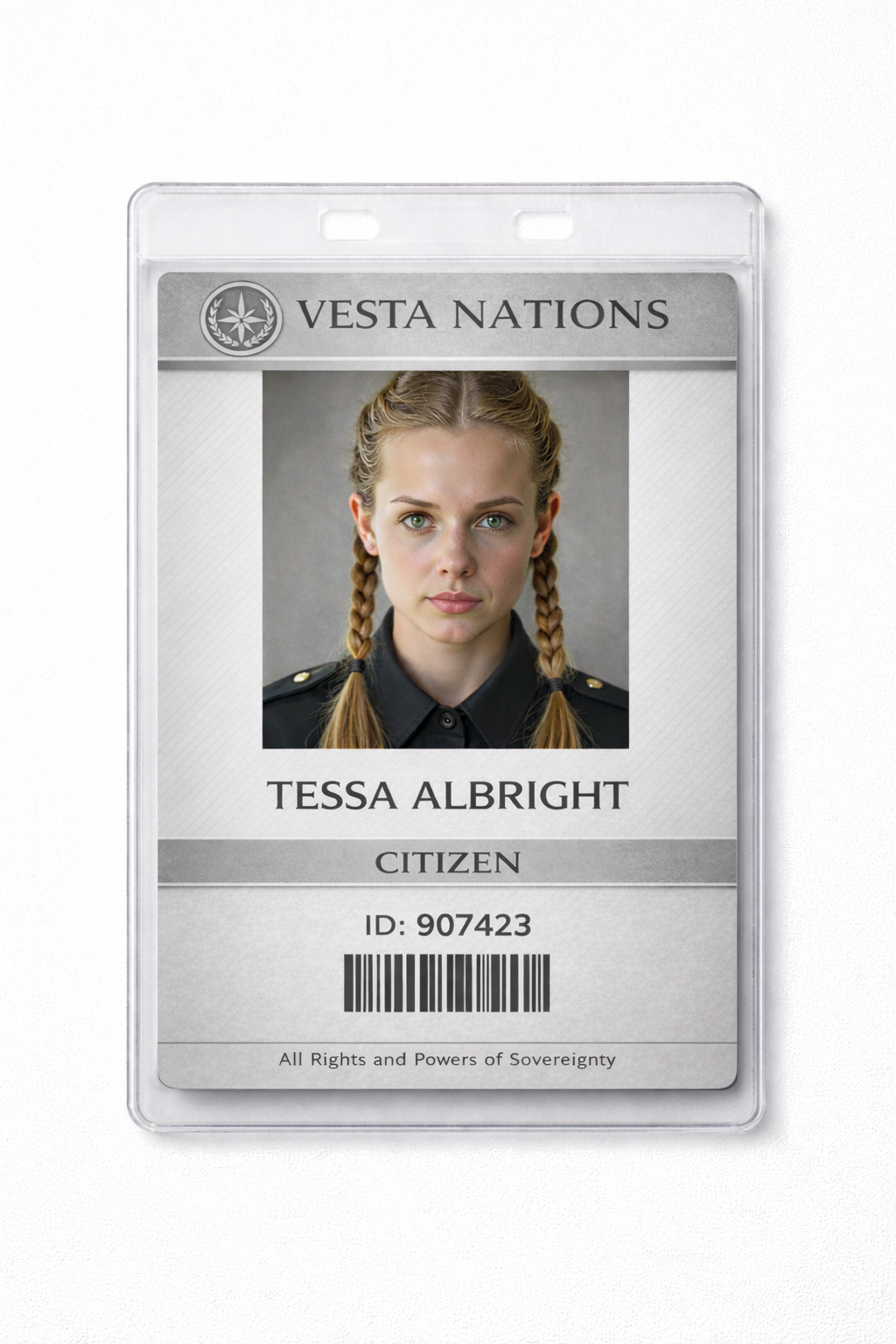
Tessa "Tess" Albright
Drums
Age: 26
Tess also hails from Port Odessa and turned her experiences working as a cargo loader into fierce percussion that drives the band's sound. Her powerful drumming reflects the pulse of the interstellar life they all know too well—the rhythm of machinery, the heartbeat of labor, the thunderous impact of cargo containers meeting dock floors.
Albright's drumming style is characterized by what critics call "industrial heartbeat"—a relentless, mechanical precision that mirrors the rhythms of mining operations and cargo handling. Yet within that precision lives explosive energy, moments of controlled chaos that capture the danger and intensity of belt work. She plays with the power of someone who spent years moving heavy loads in low gravity, every strike carrying the force of survival.
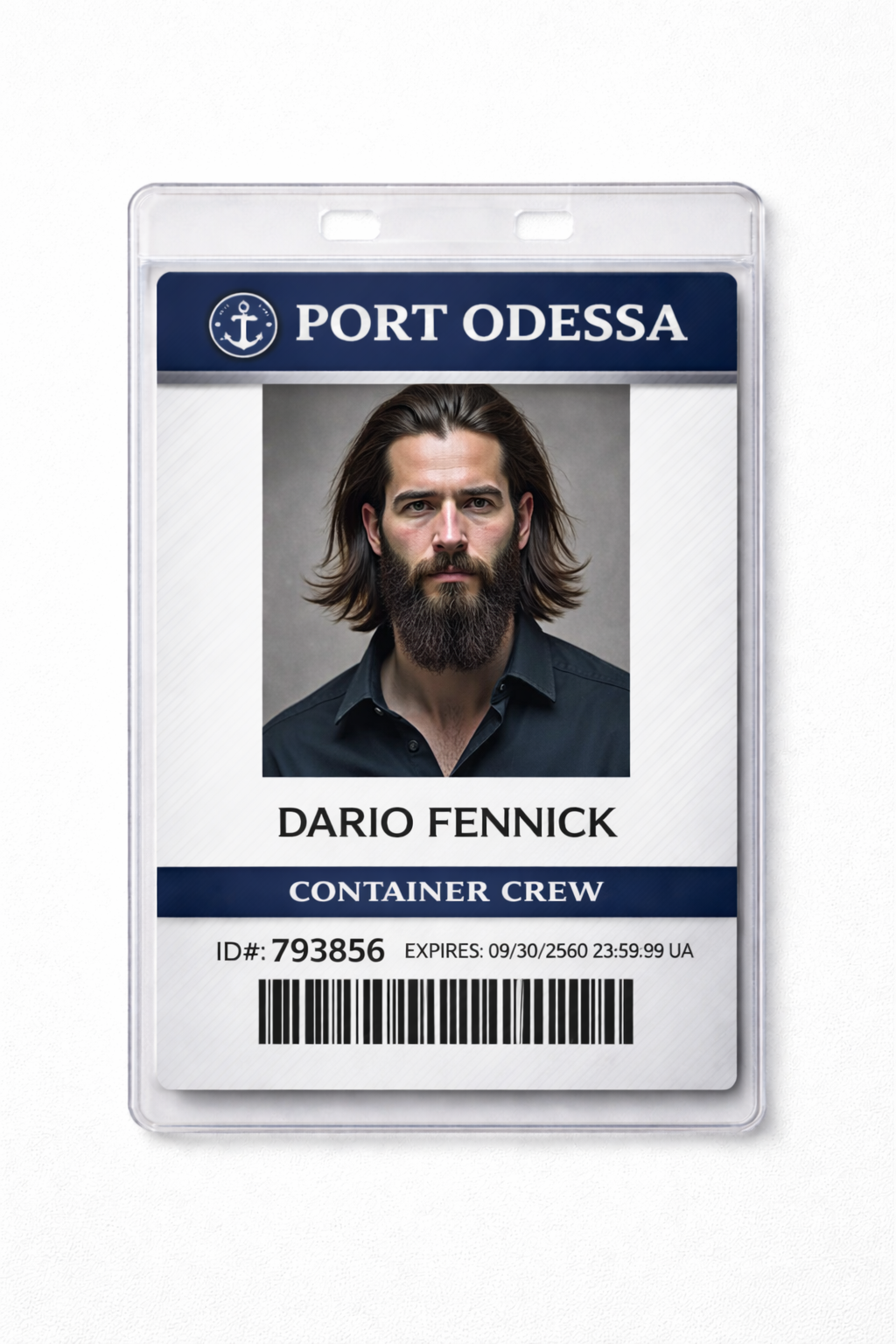
Dario Fennick
Bass Guitar, Synths, Backing Vocals
Age: 25
Dario brings a unique mix of bass and synthesized elements to the band, adding depth and texture to their music. Like Cruz and Tess, he grew up in Port Odessa and has a history of working in cargo transport, making his contributions personal and poignant.
Fennick's background adds another layer to the band's identity. His father came from a rural farming co-op in the Polesia Corridor of EuroCore and migrated to Vesta Nations to support his brother and fight during the Battles of Vesta Nations. This dual heritage—EuroCore agricultural roots and Vesta Nations industrial reality—informs Dario's musical approach. His synthesizer work creates sonic landscapes that evoke both the vast emptiness of space and the claustrophobic confines of mining vessels, while his basslines ground the band's sound in physical, visceral rhythm.
Musical Style and Composition
Life+Debt's sound defies easy categorization, blending arena rock's anthemic power with industrial music's mechanical textures. The band creates what music critics have called "asteroid rock"—a genre that captures the harsh beauty of life in the belt through sonic experimentation and working-class storytelling.
Sonic Characteristics
- Industrial Rhythms: Tess's drumming incorporates samples and rhythms from mining equipment, creating a mechanical heartbeat underlying every song
- Space and Claustrophobia: Dario's synthesizer work alternates between vast, echoing soundscapes and tight, compressed textures that mirror the asteroid worker's experience of infinite space viewed from tiny, pressurized compartments
- Raw Vocals: Cruz's gravelly voice carries authenticity earned through years of breathing recycled air and orey dust, lending every lyric the weight of lived experience
- Guitar as Tool: Guitar work emphasizes utility over virtuosity, treating the instrument as another piece of mining equipment rather than a showcase for technical prowess
Hit Song: "Belt Kids"
"Belt Kids" is Life+Debt's breakout arena rock anthem, known across the universe, but particularly cherished in the Vesta Nations and Port Odessa. The song speaks to the spirit of young miners and cargo haulers, reflecting both their hardships and camaraderie amidst the expansive backdrop of the cosmos.
Lyrical Themes
The verses detail the lives of young workers navigating the challenges of space industry life—facing ore dust, navigating through No Name Gate, and the quiet resilience needed while on the job. References to "orey dust," "mag boots," and "glow tape" ground the song in authentic experience, using the specific vocabulary of asteroid mining that resonates powerfully with those who live that reality daily.
The chorus serves as a powerful rallying cry that challenges the very construct of their reality ("the Framework") while emphasizing their community ("belt kids") and their determination to live unapologetically and fully. The recurring phrase "break the frame" carries multiple meanings—rejecting The Framework philosophy, breaking free from corporate control, and transcending the limitations imposed on working-class existence.
The bridge reflects on the experiences that have left scars—both physical and emotional—while asserting that music serves as a medium to express their journey. The line "Maybe it's code, maybe it's stars / Either way we weld our scars" acknowledges Simulation Theory while emphasizing that regardless of reality's nature, the experiences and solidarity remain real and meaningful.
Performance Venues and Live Shows
Life+Debt regularly performs in converted cargo bays and mining facilities, with audiences often consisting entirely of off-duty miners and transport crews. These performances have become legendary for their raw energy and the sense of solidarity they foster among attendees.
The band's choice of venues is deliberate—they perform in the same spaces where their audience works, transforming industrial facilities into temporary temples of collective experience. Cargo bay acoustics, never designed for music, create a harsh, unpolished sound that somehow feels more authentic than any professional venue could provide.
Concert-goers describe Life+Debt shows as cathartic experiences. The music gives voice to frustrations and hardships rarely acknowledged in corporate-controlled media, creating moments of collective recognition where workers see their own experiences reflected and validated. In a universe where working-class life is often invisible or romanticized beyond recognition, Life+Debt offers unvarnished truth delivered at volume.
Cultural Impact
"Belt Kids" has become much more than just a song; it has become an anthem of empowerment and resilience for those living in the outer reaches of society. The song resonates particularly with those who work in the mining and shipping industries, fostering a sense of unity and shared identity among the "belt kids."
Linguistic Influence
The phrase "break the frame" has entered common usage throughout human space, representing creative problem-solving and rejection of arbitrary limitations. Workers throughout the Vesta Nations are frequently urged to "break the frame"—to develop workarounds to corporate regulations and bureaucratic obstacles in order to get the job done. The phrase functions simultaneously as practical advice and philosophical statement.
Identity and Solidarity
The term "belt kids" itself has become a badge of honor among young workers throughout the outer settlements. What began as the title of a song has evolved into a self-identification embraced by an entire generation—those who came of age in the asteroid belt during and after the Battles of Vesta Nations, carrying both physical and psychological scars from their service and subsequent labor.
This collective identity transcends individual corporations or mining operations. "Belt kids" signals membership in a community defined by shared experience rather than employer—a significant development in a corporate-dominated era where workers are typically fragmented by competing company loyalties.
Broader Cultural Movement
Life+Debt's meteoric rise in popularity is indicative of a broader cultural movement within the Vesta Nations, where young workers seek to express their experiences and solidarity through music. The band has inspired a wave of similar working-class artistic expressions throughout the region.
Their success demonstrates hunger for authentic representation in a media landscape dominated by polished corporate messaging. Unlike the sanitized content produced for mass consumption in settled space, Life+Debt offers an unvarnished look at the reality of industrial labor in the 26th century—complete with danger, exploitation, exhaustion, and the fierce bonds formed under pressure.
Other bands throughout the asteroid belt cite Life+Debt as influence, creating what music historians are calling the "Vesta sound"—a genre characterized by industrial elements, working-class themes, and performance spaces that double as work sites. This movement represents not just musical innovation but cultural assertion—working-class voices claiming space in artistic discourse traditionally dominated by corporate-sponsored entertainment.
Reception and Controversy
The band's relationship with corporate media remains complicated. EuroCore Pulse and other major networks have largely ignored Life+Debt despite their popularity, viewing their message as potentially disruptive to labor relations. The few times corporate media has covered the band, coverage has been dismissive or attempted to reframe their working-class message as merely aesthetic choice rather than genuine political expression.
This media blackout has paradoxically strengthened the band's credibility among their core audience. Being ignored by corporate media serves as validation of authenticity—proof that Life+Debt represents something genuinely threatening to established power rather than controlled opposition or manufactured rebellion.
Among working-class audiences throughout the Vesta Nations and beyond, Life+Debt enjoys cult-like devotion. Their music circulates through informal networks, shared on personal devices and played in common areas despite corporate preferences. This grassroots distribution model means official sales figures dramatically underestimate the band's actual reach and influence.
Legacy and Significance
Life+Debt stands as a testament to the power of music as a medium for storytelling and communal expression. Their anthemic hit "Belt Kids" encapsulates the life, challenges, and resilience of the young workers of the asteroid belt, solidifying the band's place as a voice for a generation in the shadows of the stars.
The band's significance extends beyond entertainment. They provide language and communal space for experiences that corporate culture renders invisible. In creating an anthem for "belt kids," Life+Debt has helped forge a collective identity that transcends individual workplaces and provides foundation for solidarity that corporate management finds deeply threatening.
Whether Life+Debt will maintain their authenticity as popularity grows remains an open question. The tension between reaching wider audiences and maintaining connection to their working-class roots will likely define the band's future trajectory. For now, they remain firmly grounded in the communities that birthed them—playing cargo bays, speaking truth to power, and giving voice to those who build civilization in the darkness between worlds.